May 2026 Psychology subject update
Hi everyone,
Your May Psychology update is here! We have news of support for students with wellbeing and stress over the exam season, and advice on resources to use with candidates for final exam preparation. There's also the draft delegates booklet for this July's ATP teacher conference, as well as a range of general updates.
As ever, do get in touch if I might be able to help with any aspect of your teaching - follow the link below to the bottom of the page to book a Teams call with me or to get in touch via email.
Best wishes,
Tim Lawrence
Psychology Subject Advisor
This update includes:
- Key dates
- General updates: support for centres in the Middle East, information on exam material release dates and 'understanding grading' resources.
- Exams and wellbeing: our web page with advice for students
- Resources for exam preparation: advice on use of examiner reports and our recently published A Level resources.
- Training and professional development: recording available from our recent A Level issues and debates training.
- ATP conference 2026: draft delegates booklet shared.
- FAQs from psychology teachers
| 7 July | Transition to A Level Network online training |
| 13 August | A Level and IAL results day |
| 20 August | GCSE results day |
Final exam timetables for the summer 2026 exam series are available on our webpage linked below.

We know the ongoing conflict in the Middle East continues to affect students, families and centres in very real ways.
This page brings together the latest guidance and support available for students whose learning and assessments have been disrupted, with any new updates added here as the situation continues to evolve.
GCSE and A level Summer 2026 assessment materials release dates are provided in our knowledge article.
Ofqual have released a set of classroom resources to help teachers, headteachers and their senior leadership teams explain GCSE and A level marking and grading to their students.
These resources give teachers, headteachers and their senior leadership teams the information they need to be able to teach their students about GCSE and A level marking and grading. They are ready to use, with no additional materials or preparation needed.
Using the lesson plan, in under 20 minutes a teacher can help GCSE or A level students understand – and feel more confident about – how their exams are marked and graded. The plan can be used with or without the accompanying slides.
The assembly presentation is for headteachers or members of SLT to deliver in around 5 minutes and includes suggested speaking notes. Both resources cover:
- how marking works
- how grade boundaries are set
- why grade boundaries change from year to year
- how to bust some common myths
Students look to their school or college for information about exam grading more than anywhere else, but it can be hard to explain clearly – or find the time to even try. These resources give teachers, headteachers and their SLT what they need to be able do so with confidence.
With the summer exams about to start, we want to wish all students the very best and thank teachers for the skill, reassurance and hard work that makes such a difference at this time of year.
Thank you and remember that we are here to support. You can reach out to us via the Pearson Support Portal or email at teachingpsychology@pearson.com

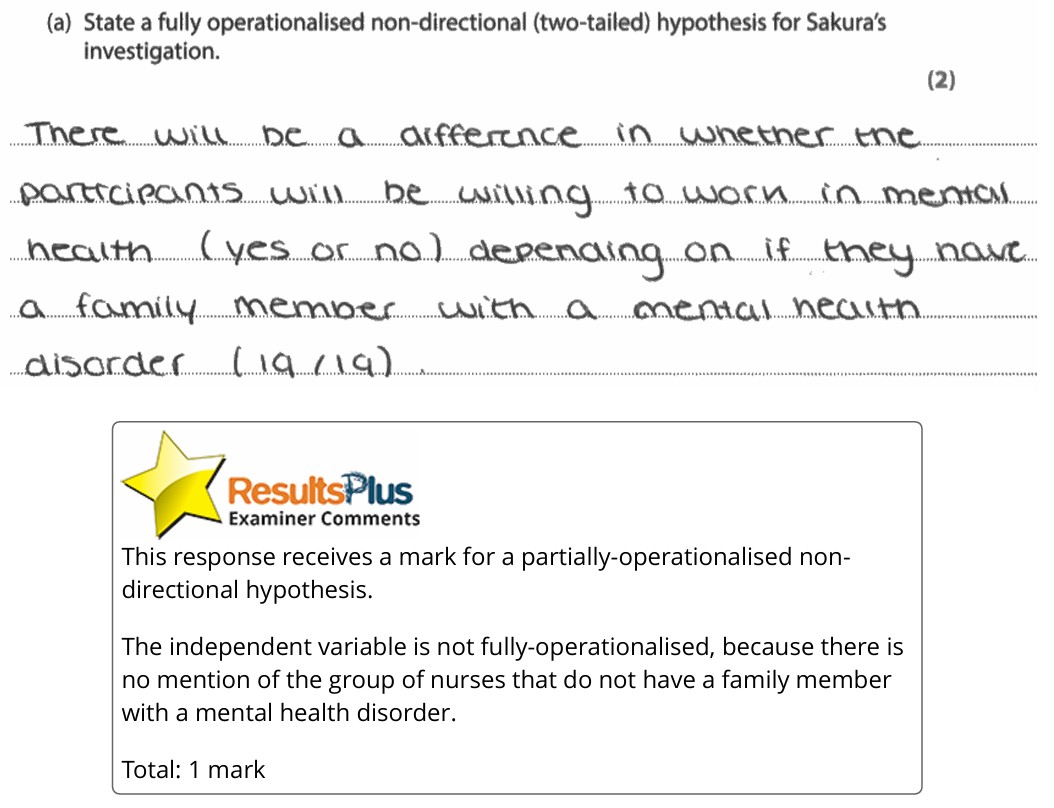
Examiner reports are a fantastic resource for helping teachers to understand what examiners are looking for, but are also a great (and under-used) resource for students to use themselves. Particularly in the days before their exams, the examples of candidate responses with examiner commentary explaining why marks were or were not awarded can really help students to avoid common errors and really show what they know.
Examiner reports from exams over 12 months ago are all publicly available in the 'exam materials' section of each qualification web page.
For A Level Psychology we have published 'Maths in Psychology' and 'Supplementary Topic Support' worksheets this year. If you haven't already used these with students, both could be useful exam preparation tools.
For UK A Level teachers we have a new live online training event open for booking now: Transition to A Level Network on 7 July. This free training will provide you with an opportunity to learn and discuss effective teaching and learning strategies, ensuring that your students are well-prepared for A Level Psychology. Given the similarity between UK and International A Levels this event will be useful for IAL Psychology teachers too.
Follow the link below to find out more.
The link above will also show options to access recordings of past training content, including the following playlists:
We also provide centre-based training opportunities. If this is something you would like to explore, please visit our training page below.

I'm looking forward to attending the Association for the Teaching of Psychology's conference, which this year runs from 9-11 July at the University of Winchester!
You can read about my workshop and the many othe workshops and keynotes planned in the draft delegates booklet linked below.
The specifications state that students should write a report on their investigations, and this should be detailed enough that it provides them with a record to revise from when preparing for their exams.
Questions can test their knowledge and understanding of any aspect of their investigation including limitations and possible improvements, so these should feature in their report and be learned.
Examiners won't have any way of checking precise numerical details so questions are unlikely to ask for these. Students should however know the general pattern of their results and their meaning.
You can download a range of past paper questions on practical investigatins, taken from both A Level and IAL exams, from this post on our community group.
Gridlines are present in the pdf files of past papers and mark schemes in a 'hidden layer' that is used in the process of producing them. Despite being set to be not visible and to not print, sometimes they are printed and it can be very difficult to prevent this!
One solution if you have access to Adobe Acrxobat is to open the pdf with this app, then in the print dialogue go to 'advanced' and check the 'print as image' box.
If you don't have access to this app, feel free to contact us on teachingpsychology@pearson.com to request a copy made in this way.
Subject advisor
Tim Lawrence
Psychology and international Science