March 2026 teaching English update
What's in the March 2026 teaching English update?
📖 World Book Day 2026
Ideas and inspiration to get everyone reading — and keep that momentum going.
🎓 Colleges Week (2–6 March)
Celebrating the impact of colleges, the learners, and the teachers behind the learning.
🏛️ Policy and SEND
The DfE white paper 'Every Child Achieving and Thriving' and the SEND consultation.
🤖 Cool new tool for 2.0
Support students to move beyond feature spotting and into confident AO2 analysis.
🧠 Exam equity and neurodiversity
Help shape fairer exams by contributing to research into exam equity for neurodivergent students.
⏳ Assessment reminders – 10 weeks to go
Key changes to submitting coursework and SLE marks, grades and samples.
🔍 Updated AI guidance
Clearer expectations on what’s allowed — and what isn’t — for coursework and the SLE.
🌱 Entry Level Certificate (ELC)
Could you be using ELC as a stepping stone alongside GCSE English?
✅ GCSE English exemplars
Exemplars from the November 2025 exam series to support mocks marking.
📘 A level English Language
An updated concepts and issues guide to clarify what you need to teach.
🎧 Recorded training
Professional development you can access anytime, anywhere.
🤝 English qualifications support
The quickest ways to get expert help when you need it.
World Book Day 2026 on 5th March
I hope the National Year of Reading is giving your World Book Day celebrations an extra impetus.
We’re proud to be running the ‘This is Lit’ book club with KS4 students around the country.
Watch the video
At Pearson, we’ve also launched a team book club for staff. It’s connecting people who don’t usually work together and we’re hearing from lot of ‘lapsed readers’ who want to get reading again.
Hear more about the Pearson staff book club.
🗓 Monday 2 – Friday 6 March
English GCSEs, Functional Skills, ELC and A levels aren’t just delivered in schools.
This week, we're recognise what staff and learners achieve every day in colleges. 💙
🏫 Colleges support people from all walks of life with the education, training and skills they need to move forward.
👩🎓 Young people starting out
🔁 Adults retraining
🛠 Apprentices learning on the job
Colleges don’t just teach. They open doors, build confidence and create opportunity.
That’s why this year’s theme is #SkillsForAll — with a different group of learners in focus each day. 🌱
These events have now passed.
On 23 February the Secretary of State for Education announced the publication of the government’s white paper on ‘Every Child Achieving and Thriving’ and SEND consultation.
There are few aspects of education that affect English teachers as closely as ensuring that all their students can access content, not only in English, but via their impact on teaching literacy, in all other subjects. Ensuring that learners with additional needs have them met appropriately is a key concern for all teachers.
Read ‘Every Child Achieving and Thriving’
Have your say on the SEND consultation.
Helping Edexcel 2.0 English Language students move from feature-spotting to analysis in their AO2 answers
Join English specialist Julie Hughes on 18 March, at 4 pm, for a 30‑minute walk‑through of Exam Practice Assistant, the new Pearson Revise Online tool that supports AO2 analysis for Edexcel 2.0 GCSE English Language. Through real student responses, Julie will demonstrate how the tool offers instant, tailored feedback to improve evidence selection, terminology and analysis.
As an Edexcel subject specialist and published Pearson author, Julie brings a practical, teacher‑focused approach to every session.
The webinar includes a live Q&A.
Sign up for the walk-through.
Submit your questions in advance.
At Pearson, we're driven by a simple belief: every learner deserves a fair chance to show what they know.
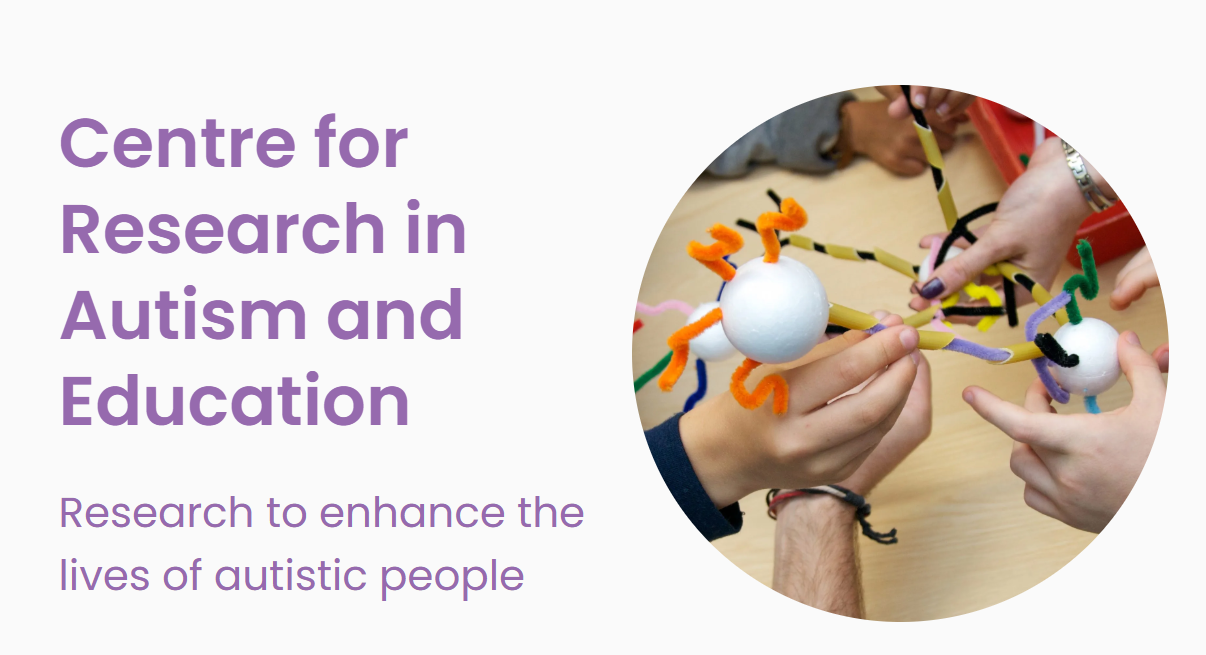
We’ve partnered with the brilliant team at the UCL Centre for Research in Autism and Education (CRAE) 🤝🧩 to explore how neurotypical and neurodivergent students — including autistic learners and those with ADHD — tackle GCSE exam questions.
🔍 Read more about the project.
This work is all about making assessments more accessible, more inclusive, and more equitable for every learner who sits down in an exam room.
💬 We’re inviting centres to take part in the next phase of this important research.
If you’re passionate about supporting neurodivergent learners and shaping fairer exams for the future, we’d love you to get involved.
There have been some changes to the arrangements for submitting coursework and SLE marks/grades and samples.
In a nutshell:
Coursework: you can submit marks as soon as you have made entries. If you enter your marks on Edexcel Online before 13 April 2026, your sample will show on the Learner Work Transfer portal (LWT) from 13 April.
SLE: you can submit grades as soon as you have made entries on Edexcel Online. From 13 April 2026, you can submit your sample on the LWT. As before, you select the sample. The sample size is unchanged: 30 video-recordings (10 passes, 10 merits and 10 distinctions).
Following requests from teachers for more specific guidance on whether the use of AI is permitted for any of the processes involved in producing coursework, we have updated the guidance:
Read the updated A level guidance
Read the updated Int GCSE guidance

📚Don’t forget the ELC in English!
As we think about what the next generation of GCSEs in English should look like — especially when it comes to accessibility — it’s worth pausing to remember a powerful stepping‑stone already in place.
🧩The Entry Level Certificate (ELC) can run alongside GCSE English Language, giving students the chance to build confidence and capability as they progress.
🖊️The specification is fully co‑teachable, so students benefit from transferable reading, writing and communication skills across both qualifications.
🎯 The assessment objectives align with GCSE, so you can focus on the same AOs from Entry 1 through to GCSE.
🌱Flexible, practical and used successfully in a wide range of contexts, the ELC supports learners to keep moving forward — whatever their starting point.
▶️ Watch the quick start guide for a snappy overview of how it works and how to get started.
Aitchison, Romaine, Hockett, Halliday, Kress, Vygotsky, Chomsky, Pinker, Lenneberg...do you know your concepts and theories?
Check out our updated concepts and issues guide for A level English Language components 1 & 2.
Sometimes, the training you need just isn’t at a time that suits you.
Catch up on training for each of our English qualifications on our playlists.
How do I get support with delivering Pearson English qualifications?
Bookings
Book a 15-minute meeting with me in the mornings. These are good for getting started with a qualification; talking through coursework or discussing a particular aspect of delivery. You’ll get the most out of the time if you explain the help you need in the booking.
Join the private teacher groups for GCSE, Int GCSE and A level. These are great for getting advice from other teachers and staying up to date with all the latest news for each qualification.
Join our English teacher Facebook groups now:
Submit a query via the support portal
Don’t forget to name the qualification and provide your centre number so that we can help you as quickly as possible.
Get expert help on the support portal
English communities
I post frequently-asked questions and key news on these. There’s one for each qualification group.
Subject advisor
Clare Haviland
English